Oklahoma City, OK
Septic Service in Oklahoma City
Septic pumping, aerobic system service, repairs, new systems and home-buyer inspections for Oklahoma City homes that are not on city sewer. Conventional, aerobic or lagoon, we explain what your system needs and what it costs before any work starts.
- Free Quotes
- Local to Oklahoma City
- Prices Before Work
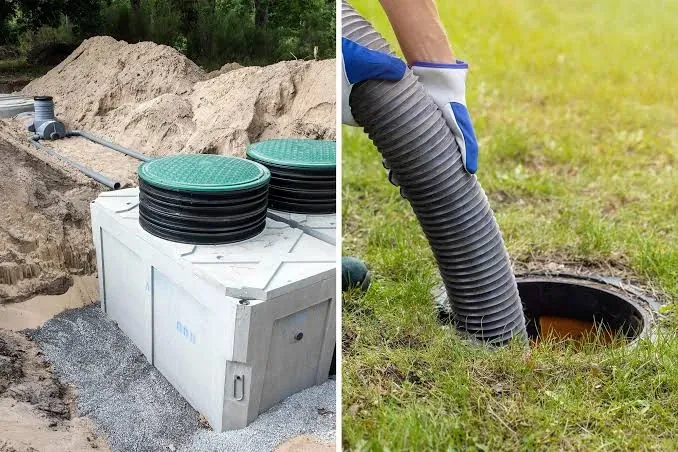
Why so many OKC homes are on septic
City Sewer Does Not Reach the Whole City
Oklahoma City covers about 620 square miles, and city sewer does not reach all of it. Large-lot homes on the far northeast and east sides, around Lake Stanley Draper and on the far northwest and southwest edges run on septic, often alongside a private well or rural water.
Oklahoma leans on septic more than most states: OSU Extension found that 49 percent of new Oklahoma houses built from 2002 to 2021 have septic systems, against about 20 percent nationally (PSS-2919).
- Conventional tanks with lateral lines
- Aerobic systems with spray or drip dispersal
- Fenced lagoons on larger rural lots
What we do
Septic Services in Oklahoma City
Everything a septic system needs, from routine pumping to a full replacement.
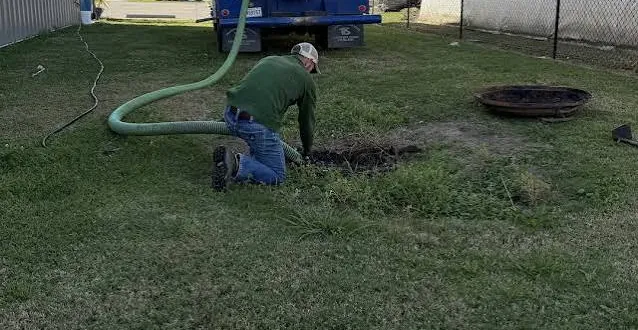
Septic Tank Pumping
Pump-outs for conventional tanks and aerobic trash tanks, with the sludge level recorded so you know when to pump next.
Septic pumping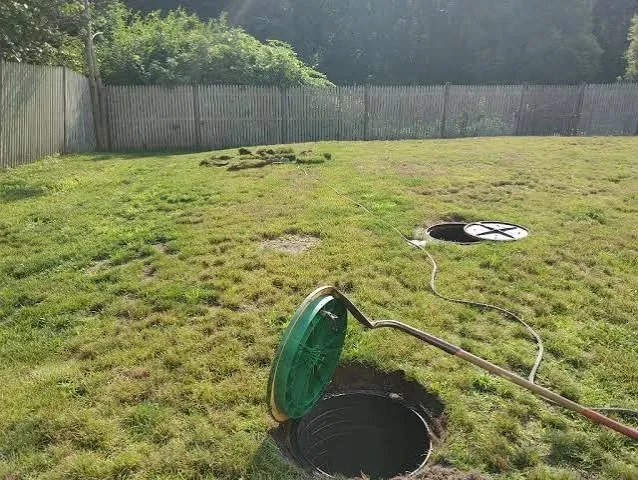
Aerobic Septic Service
Twice-yearly checks, chlorine, alarms and spray heads, during and after the installer's two-year period.
Aerobic service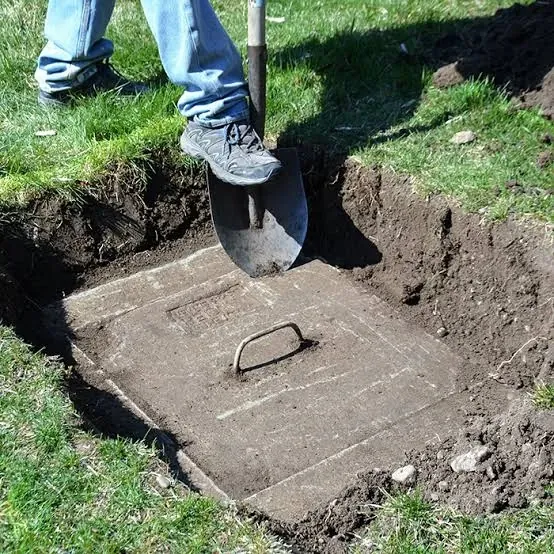
Septic Repair
Backups, alarms that will not clear, failed aerators and pumps, broken lids and soggy fields.
Septic repair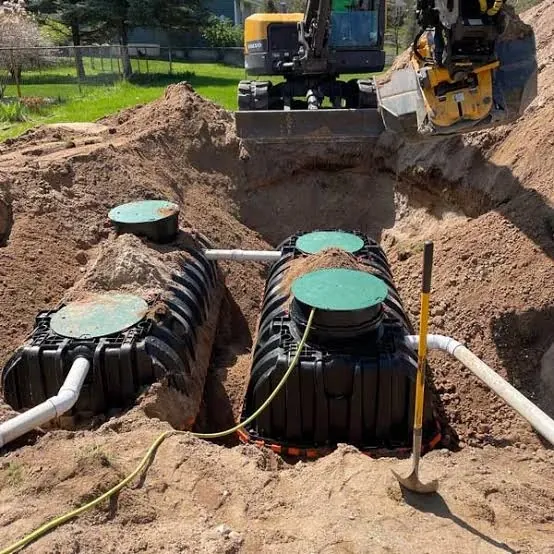
Septic Installation
New and replacement systems, from the soil test to the Oklahoma DEQ authorization to construct.
Septic installationSeptic Inspections
Know what you are inheriting before you close on a house with acreage.
Septic inspections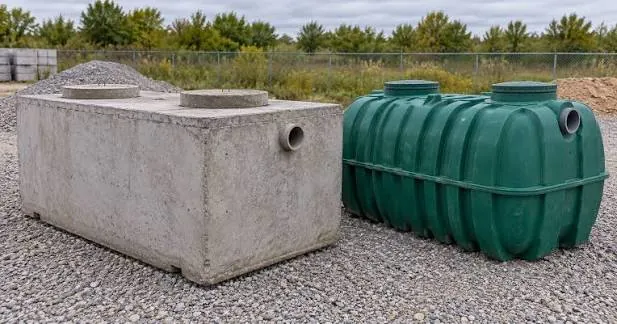
Septic Costs
Pumping, maintenance plans and new systems, with the sources and assumptions behind each range.
Septic costs in OKCHow it works
How a Septic System Works
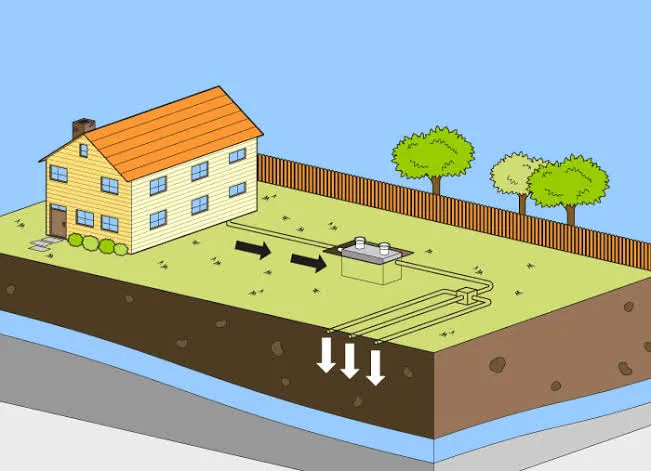
Everything that goes down a drain flows to a buried tank. Solids settle to the bottom as sludge, grease floats to the top as scum, and the liquid in the middle moves on for treatment: into the soil through lateral lines on a conventional system, or through a set of treatment tanks before it is sprayed or dripped onto the yard on an aerobic system.
Aerobic systems have been the most common new system in Oklahoma since 2013 and are now the dominant type in 47 of the state's 77 counties. They handle tight clay but use electricity and need the most upkeep. Conventional systems need no power but need good soil; DEQ's heaviest clay soil group rules them out (OSU Extension).
Oklahoma City conditions
What Makes Septic Different Here
Clay soil
Much of central Oklahoma sits on clay-rich soil that drains slowly. That is the main reason aerobic systems took over: their treated water can be sprayed on the surface or dripped a few inches down.
Storms and power
Spring storms leave yards saturated, so spray fields puddle and lateral lines back up. Ice storms and windstorms cut power, which stops an aerobic system's aerator and pump until it comes back.
State rules
Under Oklahoma's on-site sewage rules, owners must keep sewage from surfacing, keep lids secured and repair a malfunction promptly (PSS-2411). New systems need a DEQ Authorization to Construct.
Budgets for every job are in the Oklahoma City septic cost guide, and coverage is on the service area page.
FAQ
Oklahoma City Septic Questions
Is my Oklahoma City home on septic or city sewer?
If you pay the City of Oklahoma City for sewer on your utility bill, you are on sewer. If your bill shows water only, or you are on a well or a rural water district, you almost certainly have a septic system. Green or tan tank lids in the yard, spray heads in the lawn, or an alarm box on a post are other giveaways.
What kind of septic system do most OKC-area homes have?
Newer acreage homes around the metro mostly have aerobic systems that spray or drip treated water onto the yard. Older homes on larger lots often have a conventional tank with buried lateral lines. Some rural properties use a lagoon. Each one is serviced differently, so tell us which you have when you call.
How often should a septic tank be pumped?
The EPA's general guidance is every three to five years for a typical household. Aerobic systems should be checked at least twice a year, and the trash tank is pumped when the sludge measurement says it is time rather than on a fixed date.
My aerobic alarm is going off. What should I do?
Cut water use right away: hold laundry, dishwashing and long showers. Check that the breaker for the system has not tripped. If power is on and the alarm keeps sounding, call us. A pump tank alarm usually means the tank is filling faster than it is emptying.
Get started
Need Septic Service in Oklahoma City?
Pumping, a service visit, a repair or a new system. Call or send a request and we will get back to you with next steps and a price.